
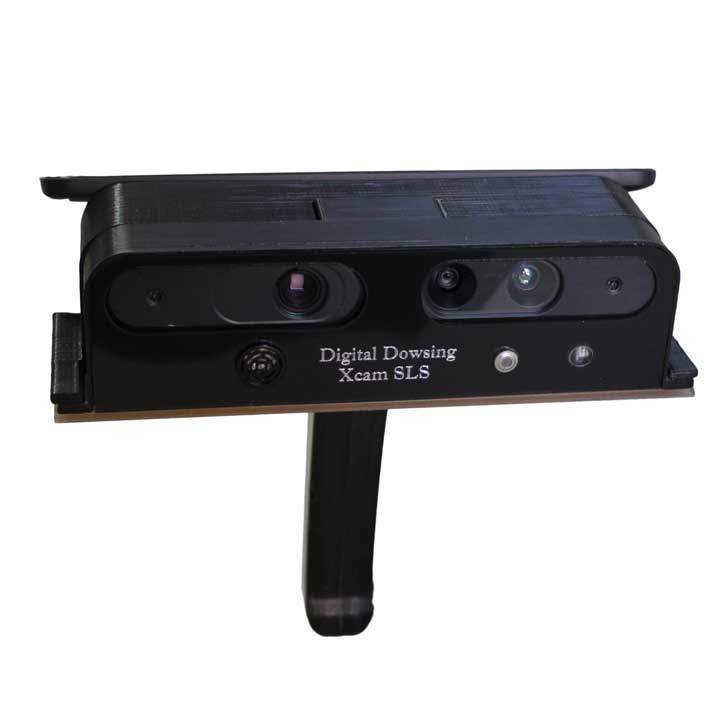
An SLS camera, or Structured Light Sensor camera, is a device used in paranormal investigations to visualize potential entities or anomalies that are invisible to the naked eye. It assists investigators by detecting human-like shapes and forms in its environment and rendering them as a “stick figure” or “skeleton” on its screen.
How It Works
The SLS camera technology is based on the infrared (IR) light sensor found in the original Xbox Kinect gaming console.
- Infrared Projection: The device projects a grid or speckle pattern of infrared light into the room.
- Depth Sensing and Mapping: A sensor then reads how this infrared light pattern is distorted when it hits objects in the environment. The device’s software is specifically designed to interpret these distortions and map the distances and shapes of objects, particularly focusing on identifying human forms.
- Visualization: When the camera detects a shape it interprets as a human figure, it overlays a green, jointed “skeleton” or “stick figure” graphic on its display.
How It Assists Paranormal Investigations
Paranormal investigators use SLS cameras to try and bridge the gap between anecdotal experiences and visual evidence:
- Visualizing the Unseen: The primary use is to potentially “see” entities that are not visible through standard light or night vision cameras.
- Real-time Detection: It provides real-time visual feedback, allowing investigators to track apparent movement or presence in a location as it happens.
- Interaction Evidence: Investigators might ask alleged spirits to interact with the device, such as waving a limb, high-fiving, or sitting, and the camera would then show the corresponding movement in the stick figure graphic.
- Corroboration: When used alongside other equipment like EMF meters or audio recorders, an SLS detection can help corroborate other findings in the same area and time.
Note on Credibility: It is important to note that the technology is designed to create human figures out of any general shape, depth change, or object (like furniture, shadows, or even power cords) when the environment is not suitable for its original design. Many skeptics argue that “ghost” detections are actually false positives or misinterpretations of the device trying its “damnedest to stitch a person together” from random environmental data. For this reason, many experienced investigators stress that SLS data should not be used as standalone evidence and must be used with other tools for validation.
 Oregon Spirit Seekers